iPhone vs Samsung Galaxy 2026: Which Flagship Should You Buy in Europe?
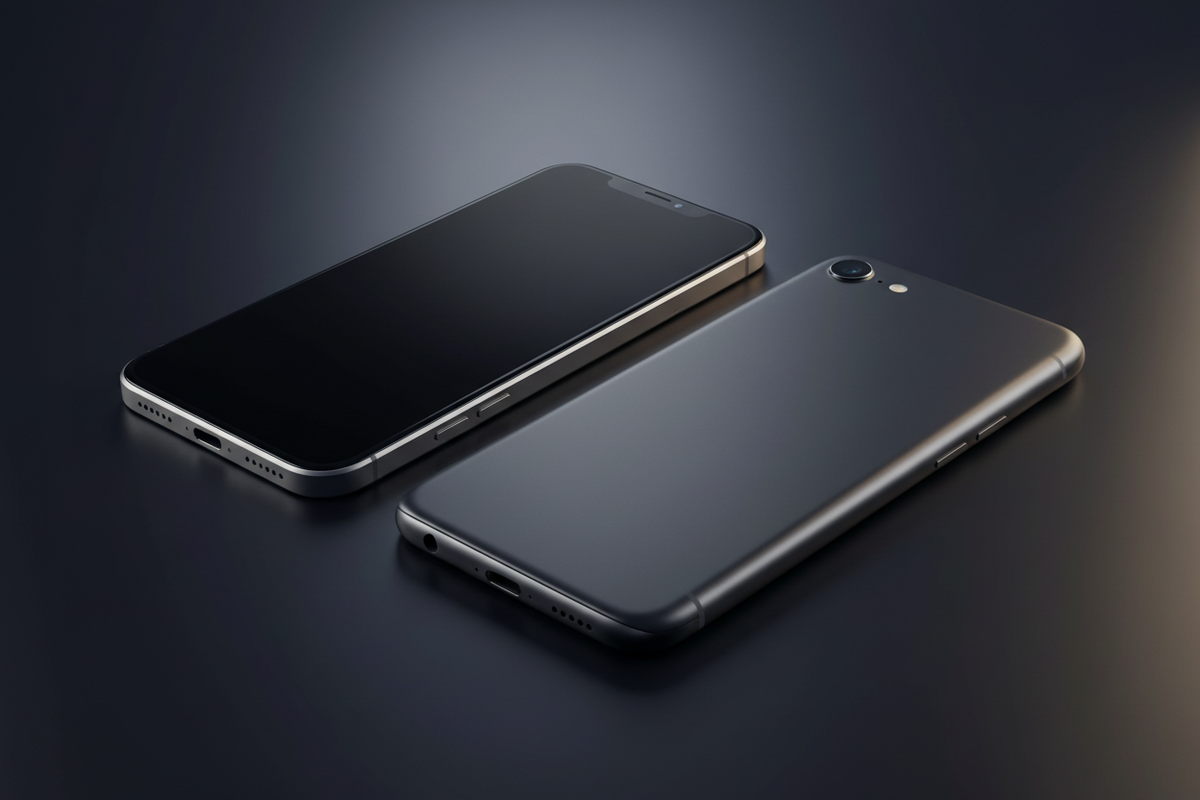
iPhone vs Samsung Galaxy 2026: Which Flagship Should You Buy in Europe?
The iPhone vs Samsung Galaxy debate is the defining smartphone rivalry of our era, and in 2026 it's closer than ever. Both platforms have matured to the point where either choice delivers an exceptional experience — but the right choice depends entirely on your priorities, your existing ecosystem, and how you use your phone day to day. For European consumers, there are additional considerations: EU warranty rights, USB-C compliance, repairability regulations, and € pricing across different markets. This guide cuts through the noise and gives you a clear, objective comparison to help you decide.
See What Everyone Is Buying in Europe
At a Glance: iPhone vs Samsung Galaxy 2026
| Category | iPhone (2026) | Samsung Galaxy (2026) |
|---|---|---|
| Design | Titanium/aluminium, premium finish | Titanium/aluminium, versatile form factors |
| Display | OLED, ProMotion 120Hz | Dynamic AMOLED, 120Hz, higher peak brightness |
| Camera | Computational excellence, natural output | Versatile zoom range, AI-enhanced processing |
| Performance | A-series chip, class-leading efficiency | Snapdragon/Exynos, top-tier performance |
| Battery | Improved capacity, efficient management | Larger capacity, faster wired charging |
| Software support | 6+ years iOS updates | 7 years Android + security updates |
| Ecosystem | Deep Apple integration | Open Android, broad compatibility |
| EU compliance | USB-C, CE marked | USB-C, CE marked |
Design and Build Quality
Both Apple and Samsung have converged on premium materials for their 2026 flagship lines. Titanium frames feature on the top-tier models from both manufacturers, with aluminium on the standard variants. The result is that build quality is genuinely comparable at equivalent price points — both feel premium, both are durable, and both carry IP68 water resistance ratings.
Where they diverge is in form factor philosophy. Apple offers a tightly curated range — standard and Pro sizes, with consistent design language across the lineup. Samsung offers greater variety: standard, Plus, and Ultra variants with meaningfully different size and feature profiles, plus the continued availability of foldable models (Galaxy Z Fold and Z Flip) for those who want a genuinely different form factor.
Display quality is exceptional on both platforms. Samsung's Dynamic AMOLED panels have historically led on peak brightness — useful in direct sunlight — while Apple's ProMotion displays are widely praised for their smoothness and colour accuracy. In 2026, the gap has narrowed further, and both deliver displays that are among the best available on any device.
EU note: Both iPhone and Samsung Galaxy flagships now ship with USB-C as standard across all EU-sold models, in compliance with the EU's Common Charger Directive. This means your existing USB-C cables and chargers work with either platform.
Camera: Computational Photography vs Versatile Zoom
Camera performance is where the iPhone vs Samsung debate is most nuanced — and most personal.
iPhone camera philosophy
Apple's approach prioritises natural, true-to-life image processing. iPhone cameras are widely praised for skin tones, dynamic range, and video quality — the latter being arguably the strongest in the smartphone market. Cinematic mode, ProRes video recording, and Log format support make iPhone the default choice for serious mobile videographers. The computational photography pipeline is seamless and produces consistently excellent results without manual intervention.
Samsung Galaxy camera philosophy
Samsung's approach prioritises versatility and zoom range. The Galaxy Ultra's periscope telephoto system — offering 5x optical zoom and significant digital zoom beyond that — is unmatched for long-distance photography. Samsung's AI-enhanced processing produces punchy, vibrant images that look striking on social media, though some users find the processing more aggressive than Apple's more restrained output. Samsung's Pro mode gives advanced users granular manual control that iPhone's native camera app doesn't match.
Video: iPhone maintains an edge in video quality, particularly for professional applications. Samsung has closed the gap significantly in 2026, but for video-first users, iPhone remains the stronger choice.
Zoom: Samsung leads clearly, particularly on Ultra models. If telephoto photography is a priority — wildlife, sports, travel — Samsung's zoom system is the better tool.
Performance and Software
Chipset performance
Apple's A-series chips have led on single-core performance for several years, and 2026 is no exception. The efficiency of Apple Silicon — delivering top-tier performance with excellent thermal management and battery efficiency — remains a genuine advantage. Samsung's Snapdragon-powered models (the chipset used in EU-market Galaxy flagships) are excellent performers that handle every task with ease, but Apple's chip architecture maintains a measurable lead in benchmarks and real-world efficiency.
Software longevity
This is one of the most important factors for long-term value, and both platforms have made significant commitments in 2026. Apple offers a minimum of 6 years of iOS updates for current flagship models. Samsung has matched and slightly exceeded this with a commitment to 7 years of Android OS updates and security patches on Galaxy flagships — a remarkable improvement from the 3–4 years that was standard just a few years ago. For European consumers focused on long-term value and the EU's Right to Repair agenda, both platforms now offer compelling software longevity.
AI features
Both platforms have deeply integrated AI into their 2026 flagship experiences. Apple Intelligence (on-device AI with privacy-first architecture) and Samsung Galaxy AI (combining on-device and cloud processing) offer overlapping but distinct feature sets. Apple's approach prioritises privacy — most processing happens on-device, in line with EU GDPR principles. Samsung's approach offers more features but involves more cloud processing. For privacy-conscious European consumers, Apple's architecture is the more conservative choice.
Battery Life and Charging
Battery performance has historically been a point of differentiation, with Samsung offering larger physical battery capacities and faster wired charging speeds. In 2026, Apple has continued to improve battery capacity and efficiency, narrowing the gap significantly.
Wired charging: Samsung leads on charging speed, with flagship models supporting 45W+ wired charging. Apple's current wired charging tops out at around 27W — adequate but slower than Samsung for a full charge from empty.
Wireless charging: Apple's MagSafe ecosystem offers a seamless wireless charging experience with a growing range of accessories. Samsung's wireless charging is fast and compatible with the Qi2 standard, but the accessory ecosystem is less developed than MagSafe.
Real-world battery life: Thanks to Apple Silicon's efficiency, iPhone battery life in real-world use is competitive with or exceeds Samsung Galaxy models despite smaller physical battery capacity. Both platforms comfortably last a full day for most users; heavy users may find either platform requires a top-up by evening.
Ecosystem and Compatibility
This is often the deciding factor — and it's the area where switching costs are highest.
Apple ecosystem
If you use a Mac, iPad, Apple Watch, or AirPods, iPhone integrates seamlessly — Handoff, AirDrop, Universal Clipboard, iPhone Mirroring, and iMessage work together in ways that are genuinely difficult to replicate across platforms. The Apple ecosystem is deep, polished, and increasingly difficult to leave once you're invested in it. iCloud storage and Apple One subscriptions add further integration.
Samsung / Android ecosystem
Android's openness is its strength. Samsung Galaxy phones work seamlessly with Windows PCs (Phone Link), Google services, and a vast range of third-party apps and accessories. For users invested in Google's ecosystem — Gmail, Google Drive, Google Photos, Google TV — Android is the natural home. Samsung's DeX mode (desktop experience when connected to a monitor) has no direct iPhone equivalent and is genuinely useful for productivity-focused users.
For a deeper dive into each platform's flagship lineup, see our dedicated guides: best iPhone models for 2026 and best Samsung Galaxy flagships for 2026.
EU Consumer Rights: What Both Platforms Offer
For European buyers, both platforms are subject to the same EU consumer protections:
- 2-year statutory warranty — mandatory for all products sold in the EU, regardless of manufacturer
- 14-day right of withdrawal — for online purchases from EU-based retailers
- USB-C compliance — both platforms now ship with USB-C on all EU-sold models
- CE marking — both platforms carry CE certification confirming EU safety compliance
- Right to Repair — EU legislation requires both manufacturers to make spare parts available; Apple and Samsung have both expanded their authorised repair networks in Europe
Verdict: Which Flagship Should You Buy in Europe in 2026?
Choose iPhone if:
- You already use Apple devices (Mac, iPad, Apple Watch, AirPods)
- Video quality is your primary camera priority
- You prioritise on-device AI processing and privacy
- You value a seamless, tightly integrated software experience
- You prefer a curated, consistent design language
Choose Samsung Galaxy if:
- You use Windows PC or Google services as your primary ecosystem
- Telephoto zoom photography is important to you
- You want faster wired charging
- You prefer more hardware variety (including foldables)
- You want more granular camera manual controls
For a head-to-head comparison of the top-tier Ultra models specifically, our guide to the best high-end smartphones in 2026: iPhone vs Samsung Galaxy Ultra goes deeper on the premium tier.
Conclusion: Two Exceptional Choices, One Personal Decision
In 2026, both iPhone and Samsung Galaxy represent the pinnacle of smartphone engineering. There is no objectively wrong choice — only the choice that's right for your ecosystem, your priorities, and your budget. Both platforms offer 7+ years of software support, USB-C charging, EU-certified safety, and camera systems that outperform anything available just a few years ago.
Browse our full range of iPhone and Samsung Galaxy flagships at OnlineStore24.eu — with fast delivery across Europe, competitive € pricing, full EU warranty coverage, and expert product information to help you choose with confidence. Your next flagship is waiting.